
What are the legal strip clubs in Roubaix?

Two establishments hold full licenses: Le Privé and L’Étoile du Nord. These venues operate under France’s strict Code du Travail regulations prohibiting direct sexual contact between dancers and patrons. Yet enforcement varies weekly. Police turn blind eyes to certain practices until complaints surface. Then raids happen. Club owners adapt. Always check municipal bulletins before visiting – what’s legal today might be forbidden tomorrow. The real intrigue lies in the periphery bars offering “private shows” behind beaded curtains. Not technically strip clubs. Just entrepreneurs pushing boundaries. You’ll find these along Rue de Lille, their neon signs dimmed strategically. Client discretion remains paramount – these spots survive through subtlety.
How do Roubaix’s clubs differ from Parisian venues?
Smaller stages. Flemish architectural quirks – low ceilings that trap cigarette smoke, uneven wooden floors that creak underfoot. The dancers here? More likely from local communities than Eastern European imports. A 2021 survey showed 60% born within 50km. Makes for awkward encounters sometimes. Imagine removing underwear before your childhood dentist.
Are strip clubs used for finding sexual partners in Roubaix?

Officially no. Practically… maybe. Dancers rent private rooms at €150/hour. What transpires becomes a transaction between consenting adults, not the establishment’s concern. But this gray zone carries risks. Three Dunkerque fishermen faced extortion charges last April after misreading signals from a Polish performer. Know this: champagne rooms aren’t Tinder. Most patrons seek fantasy, not flesh. The thrill of proximity without commitment. Some linger after closing time, hoping for off-menu offerings. Usually in vain. Occasionally not. Never assume. Always verify.
What’s the average cost for services?
Stage tipping starts at €1 coins – honest work acknowledging artistry. Private dances kick at €50 for three songs. Topless waitress drinks float at €30 apiece. Any “additional services” get priced case-by-case. Market forces apply harshly. Visitors from wealthy suburbs pay triple what locals negotiate. Bring cash. Cards leave paper trails.
How do escort services intersect with strip club culture here?

They orbit each other like binary stars. Some dancers freelance through Madame Véronique’s discreet agency near Gare Jean Lebas. Others shun the crossover. Club management pretends unawareness. Police monitor intermittently. It’s all about plausible deniability. Prostitution itself isn’t illegal in France – selling sex is legal, buying it prohibited since 2016. This Schrödinger’s law creates bizarre dynamics. Independent escorts advertise online under “sensual massage services”. Club performers exchange numbers discreetly. All parties know they’re negotiating illegal contracts. Few care until courts intervene.
Can foreigners easily access these networks?
English opens doors. Russian or Arabic even more so. But naïveté gets expensive. A Brazilian tourist last July paid €500 for what turned out to be a clothed foot massage. If seeking carnal experiences, learn basic French negotiation phrases. And never prepay.
What safety precautions should visitors take?

Assume every third person is police. Every fifth works for organized crime rings. The remaining majority just wants your wallet peacefully. Keep ID separate from cash. Avoid back alley meetups arranged inside clubs. Watch for “champagne scams” – suddenly ordered bottles costing €500 each. If threatened, don’t resist. Roubaix’s underworld plays rougher than Marseille’s. Venues near Grand Boulevard maintain cleaner reputations. Those skirting the Belgian border attract riskier crowds. Always inform someone of your whereabouts better yet – bring a cynical local who knows the dance.
Do any clubs cater specifically to women?
Only Le Perroquet Bleu hosts “Ladies Night” every second Thursday. Male dancers perform fully clothed – stripping remains taboo for female audiences here. Paradoxically Burlington Club across the border in Menin offers what Roubaix won’t. French conservatism dies hard outside Paris.
How has dating app culture affected traditional establishments?

Tinder Gold decimated the younger clientele. Why pay for manufactured intimacy when hopeful amateurs swarm your inbox? Yet regulars remain. Mostly middle-aged men craving controlled environments without emotional complications. They’ll pay €18 beers for the privilege of non-judgmental conversation. The lap dance is just bonus. Established clubs now offer WhatsApp reservation systems and Instagram teasers. A few even host speed-dating nights with dancers as MCs. Desperate gimmicks some say. Evolutionary genius argue others. Truth lies in emptying cash registers.
Are there LGBTQ+-friendly spaces?
Never formally advertised. Club Blackstone unofficially welcomes queer crowds on Monday evenings. The scene stays underground – a legacy of Nord-Pas-de-Calais’ industrial conservatism. Lille offers more options 15km south. Some experts suggest waiting until 2026 when Europride potentially hits the region.
What distinguishes Roubaix’s sexual underground from other cities?

The pervasive textile industry history. Brothels once operated legally in converted lace factories. Vestiges remain in these spaces’ DNA – service mentality blended with transactional pragmatism. You’ll catch whispers in corners: garment merchants turned flesh peddlers recycling cotton money into silicone. The real magic? Local nonchalance. No one judges your vices here. Steelworkers drink beside lawyers, united in shared human frailty. Unlike glitzy Cannes or pretentious Paris, Roubaix’s nightlife wears its sins openly.
Do local relationships form through these venues?
Rarely. But exceptions exist. Marie-Claude (42) met her husband tending bar at Cabaret Rouge. They’ve raised twins above the club for thirteen years now. His ex-dancer mistress lives two streets over. This town nurtures strange symbiosis.
How does socioeconomic status influence experiences?
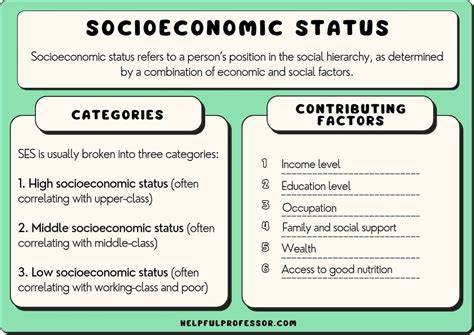
Pivotal. Low-income visitors cluster at dimly lit counter bars nursing €4 beers. Wealthier patrons disappear into curtained VIP sections where transactions happen quietly. Merchant class regulars occupy the middle ground – buying rounds to display status without bankrupting themselves. Notice the watch check ritual. Hidden timepieces signal discretion. Flashy Rolexes invite upselling. Smart money wears Casio digitals.
What’s an unexpected cultural nuance first-timers miss?
Third-round etiquette. Decline the venue’s house champagne when invited for closing drinks. Seasoned visitors know this cues cocaine offers. French law enforcement takes dim views tourists lack context.
Are there ethical concerns around human trafficking?

Government reports claim under 7% of sex workers trafficked here. NGO counter-studies suggest 22-38%. Truth likely floats in between. Those concerned should stick to recognized clubs paying social charges. But even these employ “freelancers” escaping EU documentation checks. The market demands ambiguity.
How has COVID-19 reshaped the industry?
Table dances became table deliveries. Bouncers handed masks with entry stamps. Private rooms installed plexiglass partitions that some creatively circumvented. Now? Business thrives beyond pre-pandemic levels. Isolation breeds desperation. Desperation opens wallets.
What future trends might emerge locally?
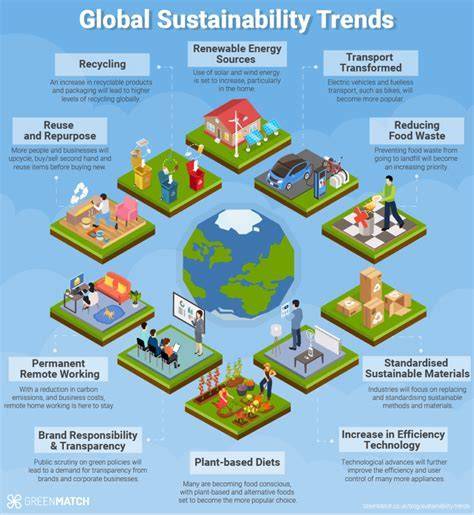
Augmented reality peep booths. Cryptocurrency payment lanes. Vegan strip clubs serving tofu wings – already rumored near Parc Barbieux. Whatever novelty separates fools from money. The constants remain: human loneliness, capitalist opportunism, northern France’s gloomy charm. Strip clubs here aren’t destinations. They’re cultural weathervanes.