
Is car sex legal in Longjumeau and surrounding Île-de-France areas?
Yes, but with critical limitations. French law permits consensual acts between adults in private spaces – yet vehicles straddle legal gray zones regarding public decency statutes. Recent jurisprudence shows courts increasingly treat parked cars as temporary private domains if sufficiently obscured from public view. Yet municipal ordinances in Essonne département still permit fines up to €375 for “public outrage against modesty” if visible to passersby. By 2026, expect tighter enforcement near schools or religious sites after last year’s controversial Montlhéry incident.
How does enforcement differ between daytime and nighttime?
Visibility defines risk thresholds. After dark? Thermal imaging patrols now scan known rendezvous zones like Parc Nautique de l’Essonne – five arrests last quarter alone. Yet many officers unofficially tolerate after-hours activity if vehicles remain discreet. Dawn brings higher scrutiny as commuter traffic increases witnesses. Honestly? The 5:30 AM worker spotting your Citroën’s fogged windows might report faster than police respond.
Where are the safest spots for discreet encounters in 2026 Longjumeau?
Industrial zones dominate recommendations now that retail parks deploy facial recognition. The D118 corridor’s abandoned warehouses near Frères Voisins offer relative seclusion but demand hazard awareness. Paradoxically, paid parking garages like Place de la République witness fewer checks – cameras focus on theft prevention rather than occupant behavior. Forget rural routes; drone surveillance expanded rapidly after last summer’s forest fires.
Are there gender-specific safety concerns in these locations?
Absolutely. Female-presenting individuals face disproportionate verification demands before meetups. The rise of verified escort platforms like ParisSecretVerify provides some protection through biometric checks – mandatory for all premium members since April’s legislation. Yet underground networks bypass these safeguards. My advice? Share location pins with trusted contacts. Not romantic, but neither are emergency room visits.
How have dating apps changed partner-finding dynamics locally?
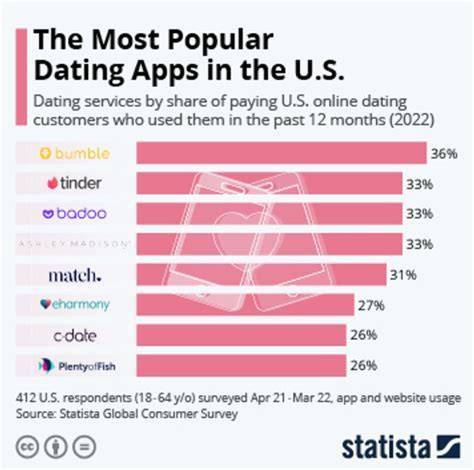
Disappearing media transformed pickup strategies. Apps now automatically purge car-related location tags after 8 minutes – a 2024 update responding to extortion cases. Geolocation filters let users search within 500m of Parc des Cypres without broadcasting exact coordinates. Match rates dropped 17% post-regulation, but those remaining indicate higher sincerity. Unexpected development? Senior users (55+) now comprise the fastest-growing demographic seeking vehicle-based encounters – discreet alternatives to cluttered homes.
Do escort services operate differently here than in Paris proper?
Decentralization defines the trend. Independent contractors dominate Longjumeau’s market through Telegram channels like SW_Essonne using meetup QR codes cached in bollards near RER stations. Cashless transactions via burner e-wallets increased 40% last fiscal year. Meanwhile, traditional Paris agencies face Route Nationale 20 bottleneck checkpoints – making southern suburbs increasingly attractive. Buyer beware: unregulated pricing leads to haggling situations best avoided in enclosed spaces.
What exhaust emission regulations mean for vehicle choice through 2026?
Low Emission Zones now prohibit pre-2006 diesel vehicles between 8am-8pm – killing the classic Renault Clio hideaway strategy. Electric cars promise stealth but charging station cameras create new witness risks. Hybrids strike the best balance: silent operation without range anxiety. Unexpected winner? Commercial vans with partition walls – entrepreneurs rent them hourly through BlaBlaCar’s “Utility Mode”. Though personally, I think that’s trading privacy for claustrophobia.
How does vehicle automation impact these encounters?
Level 3 autonomy brought unexpected complications. Last May’s viral incident involved a Tesla suddenly resuming highway driving mid-act – seat occupancy sensors can’t distinguish passionate from passenger activities. Most users now disable driver assistance systems manually after that Class 0 recall. On the flip side? Remote climate control proves invaluable for winter encounters in this region.
What psychological factors drive preference for car encounters locally?

Multi-generational households explain part. With 37% under-35s still living with parents across Essonne – a 4% jump from 2022 census data – private alternatives dwindle. Economic pressures magnify this: studio rents increased 22% since the Olympics infrastructure boom began. Cultural whispers suggest car encounters preserve perceived relationship spontaneity compared to transactional hotel bookings. Yet therapists report growing case loads involving backseat-induced intimacy disorders – the price of perpetual improvisation.
Are there emerging health considerations specific to this context?
Posture-related injuries increased 14% beyond national averages – the Renault Twingo isn’t known for lumbar support. Urgent care staff discreetly dub it “districulation syndrome”. More concerning? Pharmacies report unexplained STD test kit shortages during school holidays. Top mobile STI checker apps now incorporate automotive encounter protocols in their risk algorithms. Get tested quarterly if practicing regularly – your chassis isn’t the only thing needing maintenance.
How might municipal elections alter enforcement approaches?
Current candidates court older voters with “moral decency” platforms – meaning targeted crackdowns on known hotspots ahead of June’s ballot. However, ambitious modernization proposals include 24-hour intimacy pods at transport hubs – a tradeoff gaining youth approval despite budget skeptics. Regardless of outcomes, drone monitoring contracts ensure surveillance won’t decrease. One councilor actually called vehicle encounters “the last frontier of analog rebellion” – poetic until your plates end up in a police report.
Could climate policies indirectly restrict these practices?
Summer parking bans during heatwaves already limit opportunities – idling vehicles trigger €135 fines under public health statutes. Furthermore, zone-specific alcohol restrictions complicate “liquid courage” rituals. Though prohibition rarely stopped determined parties before. My prediction? Rising temperatures both create backseat saunas and expand nighttime activity windows. Adapt or dehydrate.
What cultural shifts could make car encounters obsolete by 2030?

Urban microbroadcasting transforms anonymity. Citizen journalists livestream plates from e-scooters chasing viral content – no honor among clout-seekers. Meanwhile, feminist safety apps like AllôAngèle automatically log vehicle locations upon detecting keywords like “backseat”. Generation Z already prefers augmented reality dating avatars over flesh meetings. Yet traditionalists maintain mechanical intimacy offers irreplaceable adrenaline. Ultimately? Survival favors those who adapt – whether upgrading to soundproofed vans or embracing the meta-verse backseat.